
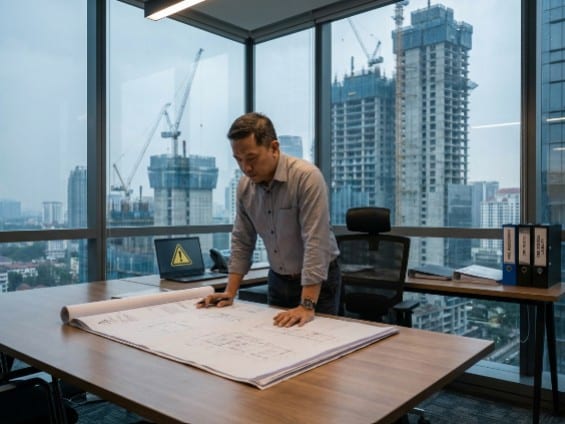
📌 Introduction: Risk Is Part of Every Design
Architecture is not just about creativity—it’s about accountability.
In Malaysia’s increasingly complex construction environment, architects face exposure to:
- Legal claims
- Financial losses
- Regulatory scrutiny
Even a well-executed project can lead to disputes.
👉 The reality is simple:
You don’t need to make a mistake to be sued—you just need to be involved.
This is why understanding how architects can reduce their risk exposure is critical to protecting your career and business.
⚠️ Why Risk Exposure Is Increasing for Architects in Malaysia
Modern projects come with:
- Multi-party involvement (contractors, engineers, consultants)
- Higher compliance requirements
- Greater client expectations
Real-world cases show that:
- Design flaws
- Miscommunication
- Site issues
can result in costly legal claims and reputational damage
🛡️ 10 Proven Ways Architects Can Reduce Their Risk Exposure
1. 🧾 Maintain Proper Documentation (Your First Line of Defence)
Documentation is your strongest protection in any dispute.
Always keep records of:
- Design decisions
- Client approvals
- Instructions and revisions
- Site meeting notes
👉 In court, written evidence outweighs verbal agreements.
2. 📐 Clearly Define Scope of Work
Unclear scope leads to:
- Misaligned expectations
- Scope creep
- Disputes
Ensure:
- Detailed contracts
- Defined deliverables
- Clear limitations of responsibility
👉 Many claims arise from “this wasn’t included” situations.
3. 🏗️ Strengthen Coordination with Consultants & Contractors
Poor coordination is one of the biggest risks.
Best practices:
- Regular coordination meetings
- Clear communication channels
- Documented approvals
👉 Even if the mistake comes from others, architects may still be held jointly liable.
4. 📚 Stay Updated with Latest Codes & Standards
Using outdated standards can lead to:
- Structural failures
- Legal exposure
Architects must:
- Keep up with building regulations
- Follow updated design codes
- Apply current best practices
👉 Failure to update standards has led to avoidable structural issues and claims
5. 🌍 Conduct Thorough Site & Risk Assessments
Never rely solely on assumptions.
Evaluate:
- Soil conditions
- Drainage systems
- Environmental risks
👉 Many failures are caused by inadequate site assessment and overlooked risks
6. 📩 Communicate Clearly and Professionally
Miscommunication is a major cause of claims.
Avoid:
- Verbal-only instructions
- Informal approvals
Instead:
- Confirm everything in writing
- Use formal communication channels
👉 Most disputes come from misunderstood expectations.
7. 🕒 Manage Client Expectations Early
Clients may assume:
- Faster timelines
- Lower costs
- Higher performance
Architects should:
- Set realistic expectations
- Clarify project limitations
- Document agreements
👉 This reduces the risk of delay and cost-related claims.
8. 🔍 Implement Quality Control & Review Processes
Errors often occur due to:
- Lack of review
- Oversight in calculations
- Incomplete checks
Adopt:
- Internal review systems
- Peer reviews
- Design validation
👉 A second check can prevent major downstream failures.
9. ⚖️ Understand Your Legal Liability
Architects must recognise that:
- Liability extends beyond design
- Claims can arise years later
- Responsibility may be shared
👉 Real cases show professionals being sued long after project completion
10. 🛡️ Secure Professional Indemnity Insurance
Even with the best practices, risk cannot be eliminated.
This is where professional indemnity insurance for architects becomes essential.
It provides:
- Legal defence costs
- Compensation for claims
- Protection against allegations
👉 It ensures that when something goes wrong, your business survives.
💡 The Biggest Misconception Architects Have
“If I’m careful, I won’t face claims.”
The truth:
- Claims arise from miscommunication, assumptions, and third parties
- Not just negligence
📊 Key Risk Areas Architects Must Watch Closely
- Design errors
- Regulatory non-compliance
- Site conditions
- Contractor coordination
- Documentation gaps
👉 Most claims originate from small oversights—not major failures.
🏗️ Why Professional Indemnity Insurance Is Critical
A strong professional indemnity insurance policy for architects ensures:
✅ Financial Protection
Covers legal fees and damages
✅ Legal Defence
Access to specialised lawyers
✅ Business Continuity
Prevents disruption from claims
✅ Reputation Protection
Handles disputes professionally
🔥 Final Thoughts: Risk Cannot Be Eliminated—Only Managed
Architecture will always involve risk.
But the difference between:
👉 A minor issue
👉 A career-threatening lawsuit
comes down to how well you manage your exposure.
❓ Frequently Asked Questions (FAQs)
Architects can reduce risk by maintaining proper documentation, defining scope clearly, improving communication, conducting site assessments, and securing professional indemnity insurance.
The biggest risk is professional negligence claims, often arising from miscommunication, design errors, or coordination issues.
Yes. Architects can still be named in lawsuits due to their involvement in the project, even if the fault lies with contractors or consultants.
Documentation provides evidence of decisions, approvals, and communication, which is critical in defending against claims.
Yes. It covers legal defence costs, settlements, and compensation related to professional negligence claims.
Architects may face claims years after completion, depending on contract terms and legal frameworks.
Most claims arise from:
- Miscommunication
- Scope disputes
- Design oversight
Poor coordination
The biggest risk is professional negligence claims, often triggered by small oversights or miscommunication rather than major errors.
- Maintain proper documentation
- Stay updated with standards
- Improve coordination with consultants
- Carry adequate professional indemnity insurance
- Maintain proper documentation
- Stay updated with standards
- Improve coordination with consultants
- Carry adequate professional indemnity insurance
You can’t eliminate risk—but you can control how it impacts you.
👉 Review your current exposure
👉 Ensure your protection is adequate
Get a quotation for Professional Indemnity Insurance for Architects today.
Speak to Minaris
Speak to our risk specialist, our team is ready to assist.

Jayadarshiniy Sankar is a Senior Insurance Advisory Manager with a background in law and over 5 years of experience in professional indemnity and general insurance. She specializes in regulatory compliance and client solutions, delivering tailored coverage with prompt, results-driven support while actively educating clients through industry content and guidance.